
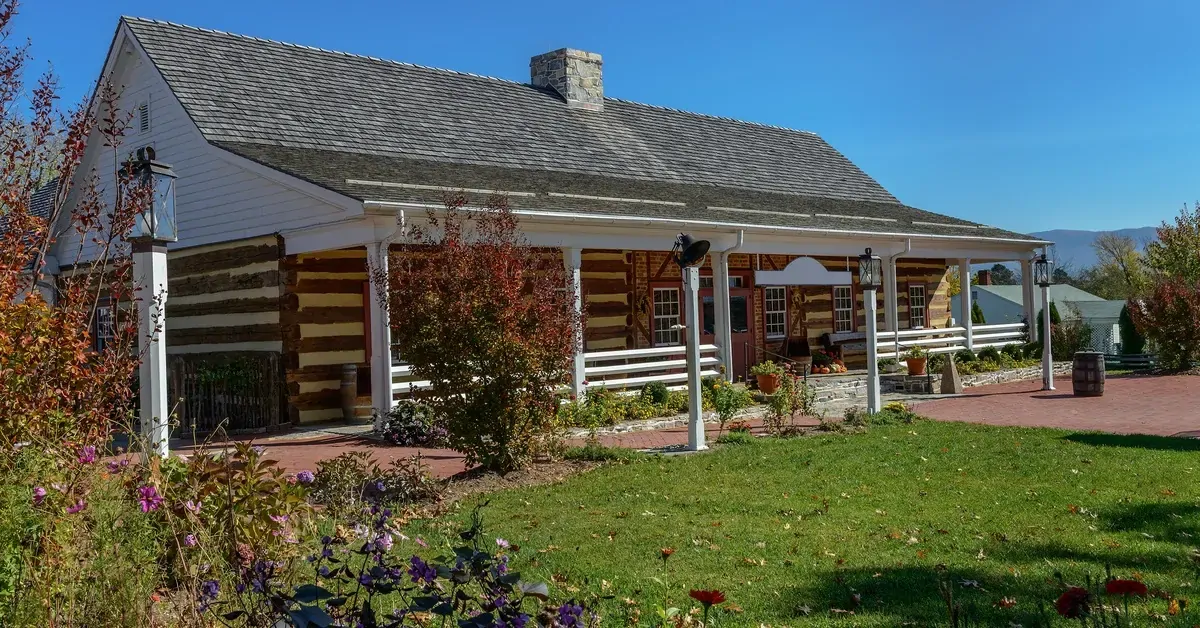
Owning a log home means taking care of it, and sooner or later every owner asks the same question: is this a job I can handle myself, or is it time to bring in a crew? The honest answer is that it's usually some of both. Plenty of everyday upkeep is well within reach of a handy homeowner, while some restoration work goes wrong quickly without the right equipment and experience.
Here's how we at Great South Log Homes think about where that line falls, based on the log homes we work on across Florida, Georgia and the Southeast.
Jobs Most Homeowners Can Handle
Routine care is where a homeowner makes the biggest difference, because it happens between professional visits. These tasks take little more than time, a ladder and a good eye:
- Walk the house twice a year. Look for faded or blotchy finish, cracks opening between logs, soft spots, sawdust, and gaps around windows and doors.
- Wash the logs gently. A soft brush and a cleaner made for log homes, rinsed off with a garden hose, removes dirt, pollen and early mildew without harming the wood.
- Manage water. Keep gutters clear, point downspouts away from the house, and adjust sprinklers so they don't spray the walls.
- Keep plants and soil back. Trim shrubs and branches away from the logs, and don't let mulch or dirt pile up against the bottom courses.
- Do small touch-ups. Spot-treat a worn area with the same stain that's already on the house, following the manufacturer's directions.
These habits slow down the wear that leads to bigger repairs, and they help you catch problems while they're still small.
Where DIY Restoration Goes Wrong
Trouble usually starts when routine care turns into restoration work. These are the mistakes we see most often when we're called in after a do-it-yourself project.
Pressure washing too hard
A rented pressure washer looks like a fast way to strip old finish, but at high pressure it can gouge the surface, raise the grain and drive water deep into the checks in the logs. The wood then needs extra time to dry, and often extra sanding, before any new finish will hold.
Putting new finish over old problems
Stain applied over mildew, dirt or a failing old coat won't bond the way it should, and some products don't work well on top of others. When a new finish starts peeling within a season or two, it usually has to be stripped off completely before the job can be done again.
Sealing the wrong gaps with the wrong product
Not every gap should be filled the same way. Chinking, caulk and backer rod each have a job, and the right choice depends on the joint, how wide the gap is and how much the logs move. The wrong material, or a check sealed on the wrong face of a log, can trap water instead of keeping it out.
Missing what's underneath
Surface wear is easy to see. Rot inside a log, insect activity, or water getting in behind trim often isn't. A wall that looks like it only needs stain may have soft wood in the bottom courses or around a window that has to be repaired first, or the new finish just covers up a problem that keeps growing.
Safety
Restoration often means working high on ladders or lifts, handling strippers and treatments, and making a lot of dust. If the house was ever painted, older paint may contain lead, which needs to be tested and handled properly before anyone sands or blasts it.
When It's Time to Call a Professional
Consider bringing in a log home crew if you notice any of these:
- Finish that's peeling, flaking or worn down to gray wood across large areas
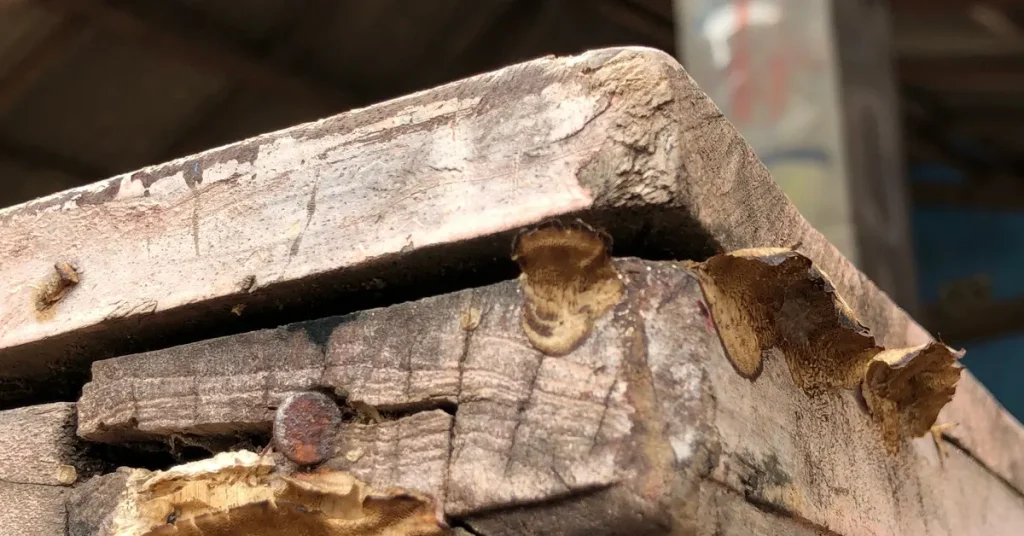
- Soft, spongy or crumbling wood, especially near the ground, under windows or at log ends
- Gaps or cracks between logs that let in light, air or insects
- Signs of insects, such as small holes, piles of sawdust or mud tubes
- Water stains or a musty smell inside the house
- A house that needs a full strip and refinish rather than a touch-up
These are signs the problem goes deeper than the surface. Fixing them properly usually takes equipment such as media blasting rigs and lifts, along with experience matching repairs to the logs you already have.
What a Professional Crew Brings
A professional restoration isn't just a faster version of the same work. It starts with an inspection to find out why the finish or the wood is failing, so the repair fixes the cause and not only the symptom. From there, the crew can remove old finish without damaging the logs, repair or replace damaged wood, treat it against rot and insects, and apply chinking and finish suited to the house and how exposed each wall is.
Just as important, a crew that specializes in log homes knows how the steps fit together: how long the wood needs to dry, which products work together, and what order the work has to happen in. Getting that sequence right is a big part of why a restoration lasts.
Finding the Right Balance
For most owners, the best approach is a partnership. You take care of the routine upkeep, and a professional handles inspections, repairs and full refinishing when they're due. Small problems get caught early, and the big jobs get done once and done right.
Not sure which side of the line your log home is on? Great South Log Homes can take a look. Our family-operated crew handles log home restoration, repair, staining and chinking for homeowners across Florida, Georgia and the Southeast. Contact us to schedule an inspection, or call (386) 249-0976.